Creating Shared Value for Communities

We engage deeply with our communities to understand their evolving aspirations and co-create solutions that deliver long-term value. In collaboration with the Adani Foundation, we are committed to empowering marginalised communities and shaping a brighter future for them. Rooted in the Adani Group’s philosophy of ‘Growth with Goodness’ and guided by the ethos of Seva - selfless service, we undertake purposeful actions that reinforce our social licence to operate and grow.
Key Linkages

CSR Philosophy of the Adani Group of Entities
At the heart of the Adani Group’s approach to CSR lies Seva, the ethos of selfless service. Seva is the guiding emotion that shapes our social interventions and reflects our deep commitment to nation-building, sustainability, and community empowerment, aligned with the Group’s overarching philosophy of ‘Growth with Goodness’. It is about laying the foundation for a future defined by inclusion, equity, dignity and opportunities. Our CSR efforts extend beyond addressing immediate needs to creating pathways for multifaceted growth and development, ensuring that individuals and communities are equipped to drive their own futures.
A primary feature of the Group’s CSR strategy is its focus on sustainable empowerment. With this belief, the Adani Foundation designs programmes with a long-term perspective, ensuring sustainable and long-term empowerment of community.
A primary feature of the Group’s CSR strategy is its focus on sustainable empowerment.
 A primary feature of the Group’s CSR strategy is its focus on sustainable empowerment.
Core Tenets Guiding Our CSR Approach
About The Adani Foundation- Seva Since 1996
We implement our CSR initiatives through the Adani Foundation, the social welfare and development arm of the Adani Group, established in 1996. For nearly three decades, the Foundation has served as a catalyst for inclusive and sustainable development, translating the Adani Group’s purpose and philosophy into meaningful, on-ground action across India. It continues to walk alongside communities – listening, learning, and partnering to create pathways for opportunity, resilience, and shared progress.
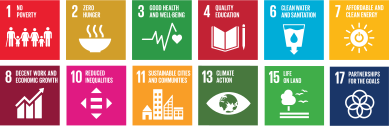
The Foundation works across geographies with a life-cycle approach and inclusive framework to enable change where it matters the most. Currently operating in 7,247 villages & Urban wards across 22 states, positively impacting 13.3 million lives. Its interventions span critical development areas, including education, health and nutrition, sustainable livelihoods, climate action, and community development, with a strong focus on children, women, youth, and marginalised population. The strategies of the Foundation are aligned with national priorities and Sustainable Development Goals (SDGs), ensuring that its initiatives contribute to nation-building and holistic development.
Read more about the Adani Foundation here
Vision
To accomplish a passionate commitment to social obligations towards communities, fostering sustainable and integrated development, thus improving quality of life.
Mission
To play the role of a facilitator for the benefit of the people without distinction of caste or community, sector, religion, class or creed, in the fields of education, community health, and promotion of social and economic welfare and upliftment of the people in general.
Expanding Our Community Impact
CSR Target FY 2026-27
- Health outreach 20 lakhs
- Education 1,250+ Adani & Utthan schools; 2.06 lakh students; 2.00 lakh students through other education programmes
- Sustainable Livelihoods: 1.22 lakh women; 40,000 farmers; 12,000+ youths
- Climate Action: 73+ crore litres additional water storage capacity; 2.00 lakh plantation
- Community Development: 55 Adani Samrudhh Gram
Our CSR Impact
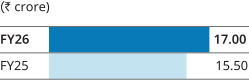
Total CSR Spend (₹ crore)
Total Lives Touched (numbers)
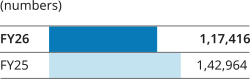
Strategic Approach to Promoting Self-Reliance and Lasting Empowerment
The Adani Foundation’s CSR approach is closely aligned with the Sustainable Development Goals (SDGs), addressing national priorities such as poverty reduction, livelihoods, human rights, and indigenous rights. Its bottom-up, community-driven model operates through village-level institutes, ensuring participation from local leaders, civil society, experts, and marginalised groups, and is supported by an integrated grievance redressal system.
The Foundation prioritises inclusiveness, focusing on vulnerable communities including fisherfolk, tribal groups, children and women. Flagship initiatives like SuPoshan enhance women’s nutrition, social status, and incomes through dairy livelihood cooperatives and self-help groups. Environmental sustainability is ensured through green cover restoration, water conservation projects such as pond deepening and rainwater harvesting, and localised groundwater mitigation efforts across.
Biodiversity conservation is another focus area, with initiatives designed around the protection of coastal and terrestrial ecosystems across industrial sites. The Foundation also demonstrated empathy during crises, such as floods, cyclones, and the COVID-19 pandemic, through relief efforts and volunteer engagement. Collaboration with government bodies and civil society organisations strengthens programmes such as Utthan and Swabhiman. Across all initiatives, our priority remains on generating meaningful impact and enhancing the overall well-being of communities.
Target Communities
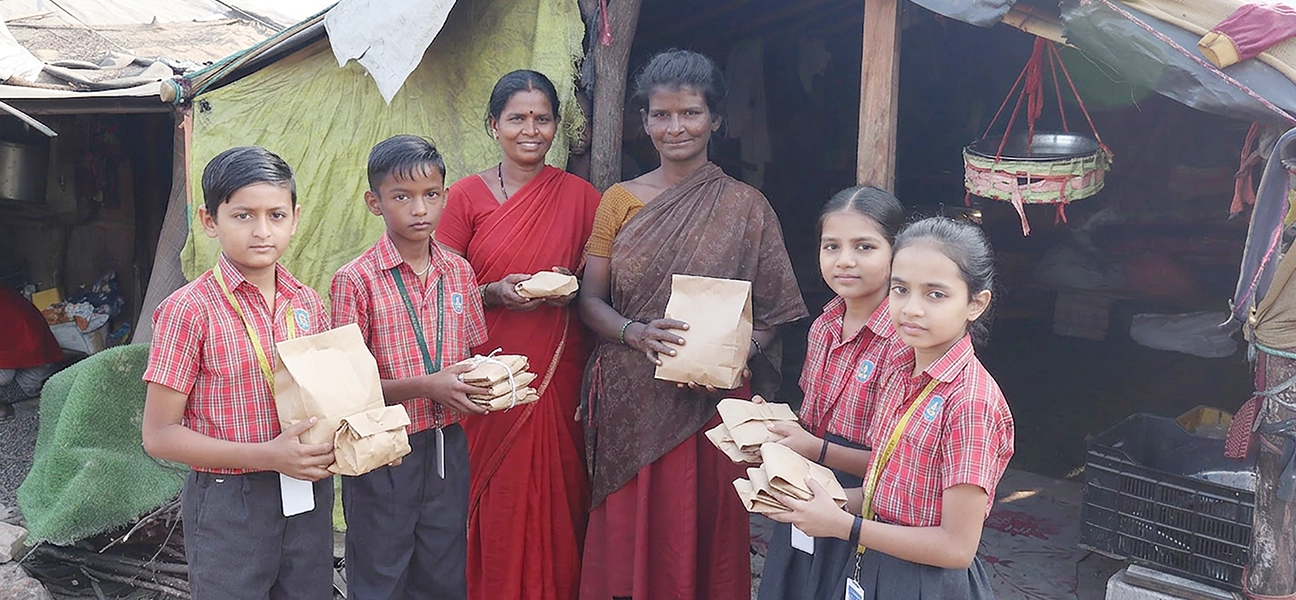
The target communities consist of populations – children from low-income families living in urban area of Ahmedabad. The primary target groups are school-going children, women, and the elderly who face persistent challenges such as restricted access to education, healthcare and basic infrastructure.
Strategy to Strengthen Community Relationships and Social Licence to Operate
The entity follows a participatory, community-centric model, building trust through regular household visits, need-based assessments, and partnerships with education department, urban development authority and community organisations. A consistent on-ground presence, transparent communication, and grievance mechanisms strengthen inclusion and accountability. Development initiatives – such as health, education, and climate action – are designed around local priorities, ensuring community ownership and reinforcing the entity’s role as a long-term development partner.
Creating Systematic Impact and Expanding Grassroots Opportunities
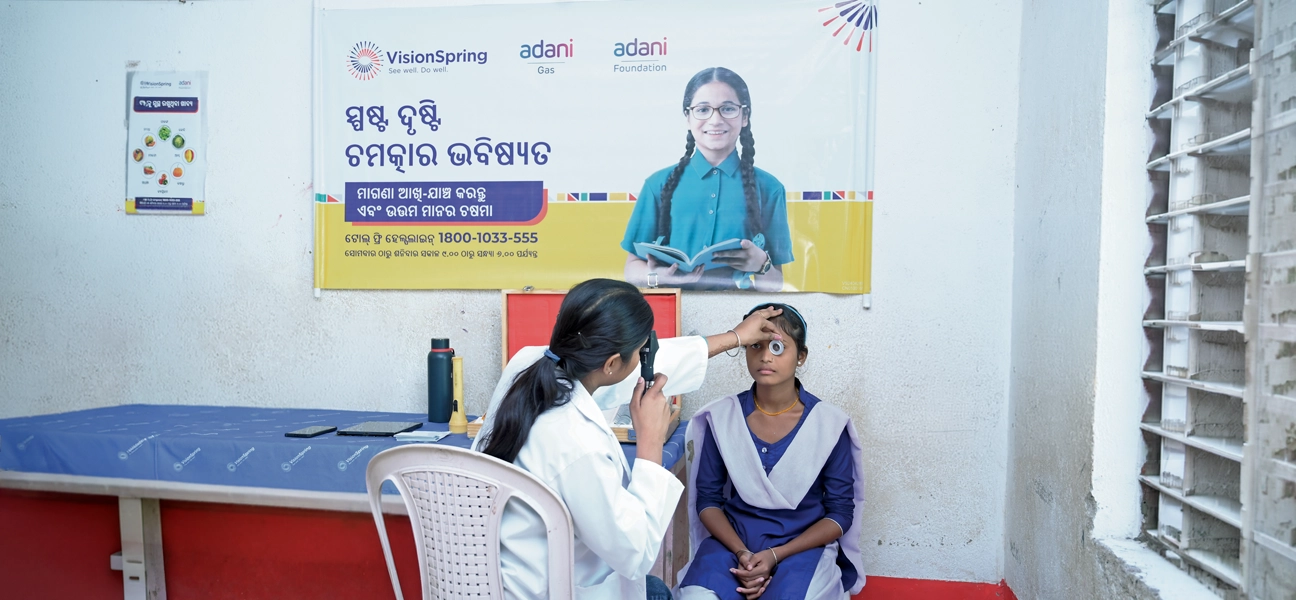
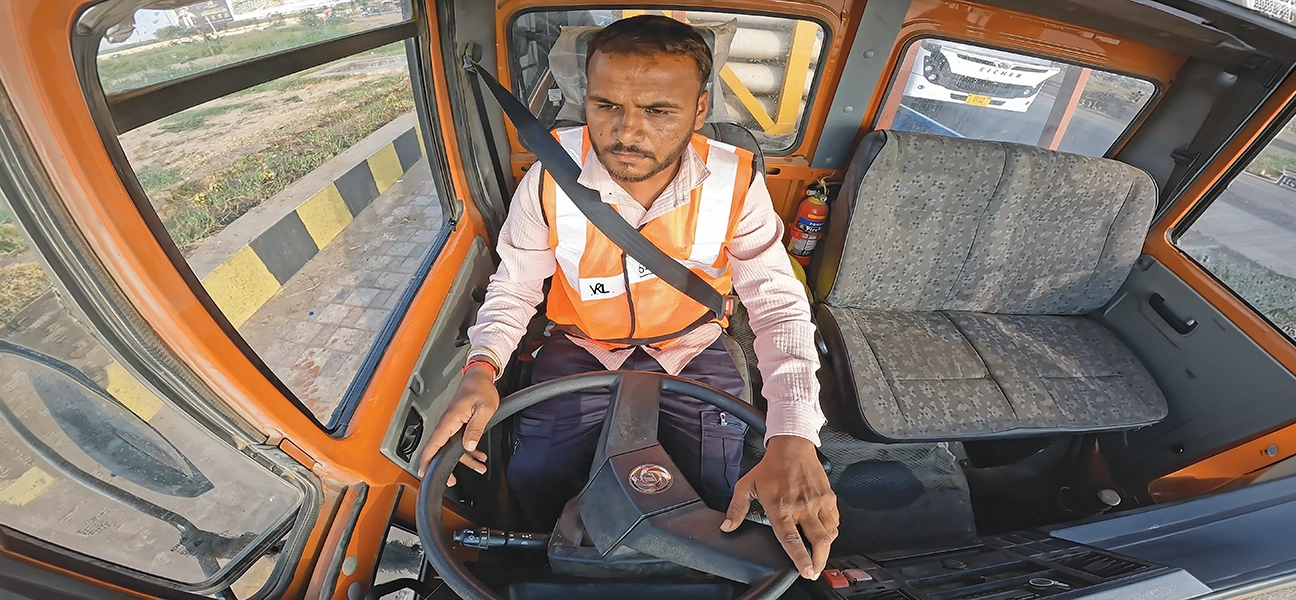
The entity promotes inclusive community development through free education to children from low-income group, and healthcare support for clear vision. Students passing out from the education institute – Adani Vidya Mandir has long-lasting impact on families lifted through education, first-generation professional breaking cycles of poverty, pursuing higher education with purpose. Eye screening of driver and defensive driving training significantly reduces the likelihood of collisions by teaching drivers to anticipate hazards, maintain safe distances, and respond quickly to road risks. Eye screening of school-going students resulted in early detection of vision problems. This indicates similar benefits for women and elderly groups, where refractive errors are also highly prevalent and correctable with appropriate eyewear.
Community Risk Management
Key community risks in target community include limited education, healthcare access. These risks are integrated into the Enterprise Risk Assessment Process through regular social risk assessments, stakeholder feedback, and site-level risk registers. Risks are categorised by severity, likelihood, community and operational impact. Baseline studies, consultations, and periodic reviews ensure systematic identification and monitoring of community risks alongside operational and environmental risks for comprehensive oversight.
Mitigation Approach, Monitoring and Review Mechanism
Community risks are mitigated through targeted interventions in education, healthcare. Low education and healthcare challenges are addressed through enrolment of students in Adani Vidya Mandir, eye screening camps, awareness and providing appropriate spectacles. Livelihood vulnerabilities are reduced by providing free education, Defensive Drivers Training programme. Environmental risks are managed through green belt development, continuous monitoring, and compliance with statutory norms. Water and climate risks are mitigated through
rainwater harvesting, conservation structures, and efficient water-use practices. All interventions are monitored through defined indicators, field reviews, beneficiary feedback, audits, impact assessments, and third-party evaluations, ensuring adaptive and responsive management.
Investments in Risk Management and Mitigation
- Sustained investments are made in education, healthcare infrastructure support, environmental safeguards, and community capacity-building initiatives to ensure long-term risk mitigation and resilience
- Focused investments are made in running free education in Adani Vidya Mandir, healthcare access, Defensive Driver Training to enhance community resilience and reduce long-term risks
CSR Spend and Impact as per Focus Areas
| CSR Thematic Areas | Core Objective | CSR Spend (₹ crore) | Lives Impacted | Contribution to UNSDGs |
|---|---|---|---|---|
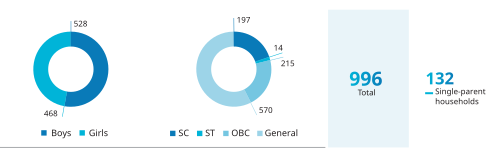
| Education | Education is a powerful catalyst for social transformation and a fundamental right that the Adani Foundation champions by making quality learning accessible and aspirational | 5.75 | 996 | 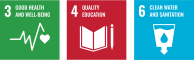 |
| Health & Nutrition | By focusing on both preventive and curative solutions – from early intervention for non-communicable diseases to holistic nutrition support – the Foundation’s healthcare ecosystem is improving the well-being of India’s most vulnerable populations | 7.91 | 24,053 |  |
| Community Development | The Adani Foundation is dedicated to fostering thriving, self-reliant communities across India, driving holistic development rooted in inclusion, dignity, and partnership. Through a comprehensive strategy, the Foundation aims to raise the quality of life, enhance human potential, and bolster economic growth via sustainable interventions. | 2.23 | 1,097 | 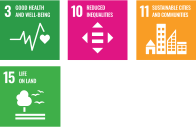 |
| Climate Action | Adani Foundation is pioneering a forward-thinking blueprint for community-led climate resilience. By integrating water stewardship, biodiversity preservation, and renewable energy adoption, the Foundation addresses urgent ecological challenges while laying the groundwork for thriving, self-reliant communities. | 1.11 | 856 Saplings | 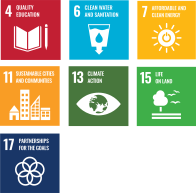 |
CSR Governance and Accountability
Our CSR policy forms the foundation of our community development efforts. This policy provides a structured framework to plan, execute, and monitor social responsibility initiatives in line with regulatory requirements. Guided by this policy, our CSR strategy focusses on addressing the real needs and priorities of local communities.
- CSR Policy and the focal points of the policy
- We have Board-level CSR Committee which drive the CSR infinitives/projects & its governance across all levels. The committee reviews the progress of the implementation of CSR activity and gives directions for effective implementation
- Roles and responsibilities at each level e.g., strategic guidance & oversight, approval of annual action plan, resource allocation, internal review of the programmes, presentation to the top-level authorities
- Frequency: Periodically
- Access link for latest impact assessment report for public viewing
Participatory Approach for CSR Implementation
Our CSR implementation follows a participatory approach, driven by continuous engagement with communities and stakeholders across our operations. We proactively identify and engage peripheral communities to foster meaningful dialogue and participation. Structured engagement and consultation processes enable communities to share their perspectives on operational and project-related risks, environmental and social impacts, and potential mitigation measures. These insights are systematically integrated into project planning and decision-making, ensuring alignment with evolving community needs.
Robust grievance redressal and reporting mechanisms are in place to address concerns promptly, strengthening trust and transparency throughout the process. By prioritising listening, partnership, and shared decision-making, we deliver meaningful project outcomes that support sustainable development of communities.
The target communities were identified through a combination of socio-economic profiling, geographic vulnerability assessment, and an understanding of local livelihood patterns. The target groups were selected based on:
- Rural and socio-economic vulnerability: Households with limited income sources and reliance on single source of livelihoods
- Social inclusivity needs: Women-led households, youth, and persons with disabilities (Divyangjan) requiring enhanced access to opportunities
- Geographic proximity to development corridors: Economically vulnerable households living near gas stations
- Socially and geographically marginalised groups: Community located in urban, with poor access to basic services
- Economic vulnerability: Children, families, and drivers with limited income diversification opportunities
Feedback:
Across all stages, feedback is captured systematically through regular visits to household visits, parent-teachers meeting, interaction with community leaders & local committees, monitoring tools, and evaluation platforms. This feedback is continuously analysed and integrated to refine strategies, realign resources, and strengthen interventions, ensuring that the programme remains dynamic, community-driven, and responsive to changing needs.
Stakeholder Consultation and Engagement
| Phase of the Programme Lifecycle | Stakeholder Involved Purpose and Process of Consultation and Engagement |
|---|---|
| Identification of primary stakeholders | Identify and consult with key stakeholders for CSR projects such as local community members, NGOs, government officials Gather and document their feedback, concerns and expectations |
| Need identification and assessment | 1. Gather and document their feedback, concerns and expectations 2. Conduct participatory need assessment with rural communities, identifying and prioritising their needs |
| Program Planning & Implementation | 1. Develop detailed program plan catering to the community needs: Outline activities, milestones, timelines and responsible parties 2. Allocate budget and manpower for project execution: Incorporate feedback from affected communities into operational and project decision-making |
| Monitoring and evaluation | 1. Execute project in partnership with stakeholders adhering to the project plan 2. Keep communities informed of the project progress, seeking their inputs |
| Impact assessment | 1. Close monitoring of the project against the timelines 2. Conduct Impact Assessment to evaluate impact on communities 3. Seek feedback from affected communities: Deploy findings from monitoring and evaluation and community feedback to enhance project effectiveness |
Note: The narrative will be linked to the BRSR for information on community grievance redressal.
Major CSR Interventions

Education
The Adani Foundation believes that education is a powerful catalyst for social and economic transformation, especially in rural and underprivileged areas. Recognising this, the Foundation champions education not only as a fundamental right but as a transformative force that fuels aspirations and opportunities. We remain committed to empowering children with knowledge, critical thinking and confidence to build better futures.
Through an extensive network of 43 schools, strategic partnerships, and pioneering programmes, the Adani Foundation aims to make quality learning accessible, aspirational, and inclusive for all. With its flagship initiatives, such as Project Utthan, which focusses on improving learning and academic outcomes, and Udaan, which encourages students to dream big and explore possibilities, the Foundation is effectively shaping the aspirations of young India, nurturing the next generation of leaders and innovators and building a more equitable future.
Adani Vidya Mandir, Ahmedabad
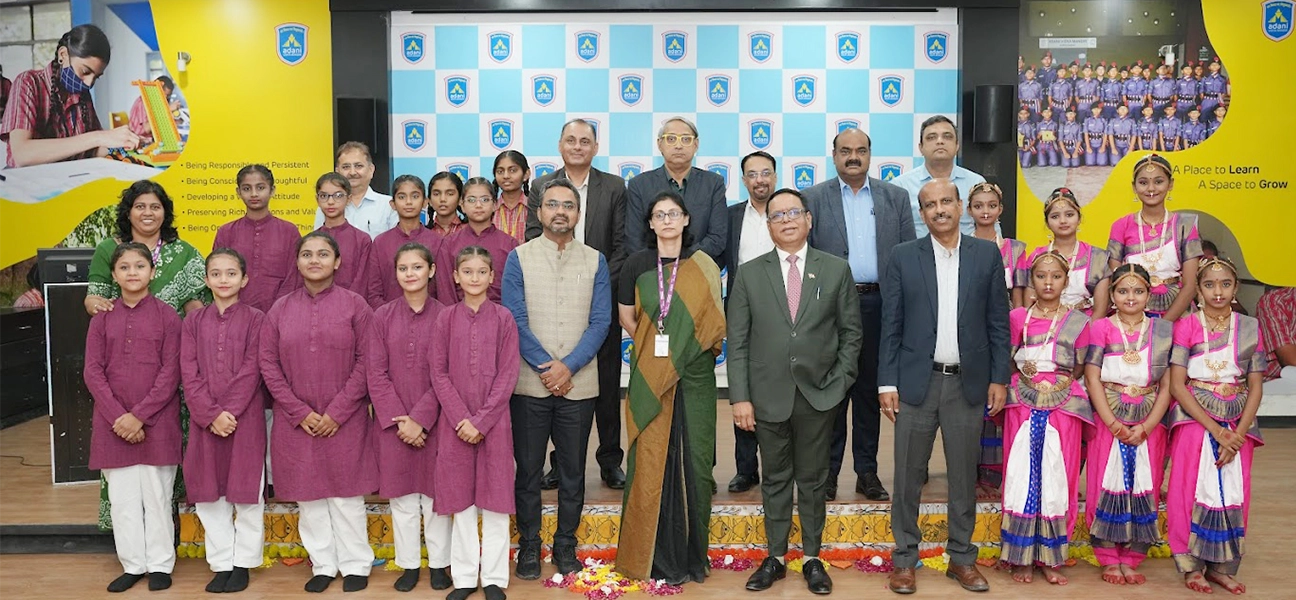
A Place to Learn; A Space to Grow
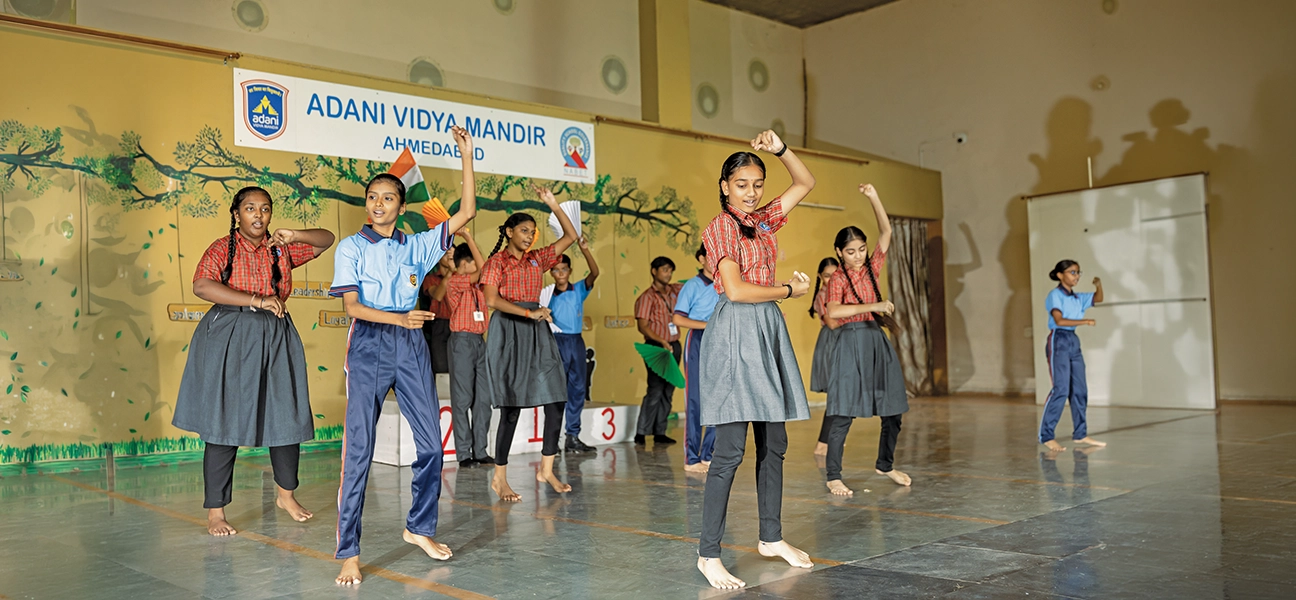
Adani Vidya Mandir Ahmedabad (AVMA) continues to uphold its founding belief that education is the most powerful means to transform not just a child, but an entire family and future generation.
- Established in 2008 with a mission to empower children from humble homes
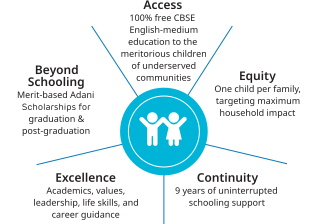
- Provides 100% free, high-quality CBSE education to the admitted students
- Rooted in the philosophy: “Educate One Child. Empower One Family”
- Focus on values, dignity, and opportunity, not just academics
- Ensures continuity of support for 9 formative years
- Creates a safe, nurturing space where children discover confidence and self-worth
Education as a Catalyst for Inclusive Growth and Nation-Building
AVMA is built on the belief that continuity, not charity, creates transformation. By supporting children from underserved communities for ten uninterrupted years and beyond, the school ensures dignity, aspiration, and upward mobility for entire families.
Scale and Impact
Beyond numbers, the school’s journey is reflected in lives changed and aspirations rebuilt:
- 2,100+ students educated, many being the first learners in their families
- 8,000+ lives impacted, including families lifted through education
- 100% first-generation professionals, breaking cycles of poverty
- 553 alumni pursuing higher education with confidence and purpose
- 207 alumni employed, supporting their families with dignity
- Each student represents a family’s hope turning into reality
- The “one child per family” approach ensures wider social reach and fairness
Key Highlights FY 2025-26
Students
Core Model
Academic Commitment
The school’s academic success is not just about marks, but about building belief in children who once doubted their own potential.
- 100% Pass Rate | Consistently across all board examinations
- Class XII: Highest Score – 97.6% (2024-25)
- Class X: Highest Score – 97.8%
- Strong culture of effort, discipline, and teacher support
- Special focus on individual attention and bridging learning gaps
- Classrooms encourage curiosity, questioning, and understanding
- Students are guided to believe: “I can; I can become”
Research, Creativity and Expression
AVMA children are not just learners; they are thinkers, creators, and contributors.
- 30+ research papers published in international journals
- Students exploring real-world themes: health, environment, technology, society
- Participation in international academic conferences
- 200+ books written by students, expressing their thoughts and experiences
- Research and writing are helping students find their voice and confidence
- A proud moment: students presenting research inspired by Ramanujan’s legacy
Exposure and Expanding Horizons
For many students, AVMA opens doors to a world they had never imagined.
- Students selected for fully funded international programmes
- Exposure across Japan, Brazil, China, Croatia, and Canada
- Many travelled abroad for the first time in their lives
- Participation in global forums, interacting with peers across cultures
- Builds confidence, awareness, and aspiration beyond boundaries
Recognition and Credibility
The recognition received is a reflection of consistent effort, integrity, and impact.
- 25+ national and 4 international awards
- Ranked among Top Schools in India for Social Impact and Philanthropy
- Highest NABET score in India (232/250)
- Featured among Top 50 Inclusive Schools in the world
Character, Responsibility and Innovation
The school strives to nurture responsible individuals who care for society and the environment.
- Students leading innovation projects solving real-life problems
- Climate initiatives including 25,000+ saplings and eco-clubs
- Kitchen garden and hands-on activities building respect for nature
- SEL programmes nurturing empathy, teamwork, and emotional strength
- Students growing as responsible citizens, not just successful individuals
Teachers – The Core Strength
At the heart of AVMA are committed teachers who go beyond teaching to mentoring and shaping lives.
- Teachers act as guides, mentors, and role models
- Continuous training and exposure to global best practices
- Recognised at national and international platforms
- Deep belief in every child’s potential
- A culture of care, patience, and dedication defines the school
Value Creation & Social Return
- Long-term educational continuity
- Near-zero dropout risk
- High employability and income progression
- Creation of first-generation professionals
- Intergenerational social mobility
- Strong alignment with All SDG’s
Alumni Footprint: Higher Education, Careers, and Global Presence
| Category | Details |
|---|---|
| Higher Education & Employment | 553+ in higher education; 200+ employed across sectors |
| Alumni Abroad | 58 alumni studying internationally |
| Top Countries | Canada (54%), USA (17%), Australia (10%) |
| Other Countries | UK, Russia, UAE, Germany, New Zealand, Ethiopia, Malta |
| Engineering & Technology | 273 alumni (largest segment) |
| Business & Commerce | 167 alumni |
| Medicine & Healthcare | 77 alumni, including doctors and medical professionals |
| Professional Courses | 57 in CA / CS / CFA |
| Adani Group Presence | 10 Alumni working across various companies within the Adani Group |
| Emerging Fields | Hospitality, Arts & Design, Law, Liberal Arts |
| Career Stage | Mix of higher education and early employment |
| Impact | Globally exposed, socially responsible alumni network |
Adani Vidya Mandir Ahmedabad is not just school, it is a mission of hope, dignity, and opportunity.
Socio-Economic Transformation
AVMA’s model delivers measurable Social Return on Investment (SROI). Students from low-income families secure professional roles across diverse sectors, including technology & global IT, banking & public sector, research & innovation, legal & corporate, engineering, cybersecurity, hospitality, and public services, among others.
Our Students Have Gained Significant Accolades and Experiences Across National Platforms:
- 6 students selected for the IIRS-ISRO Programme, Dehradun
- 2 students selected for Changemakers 2.0 at IIT Delhi
- 1 student selected for IISER-Bhopal
- 27 students participated in the School Connect Programme with IIT Madras
- 630 students took part in Technothlon by IIT Guwahati
- Yug Prajapati (Class XI) was selected in the Physical Research Laboratory (PRL), Ahmedabad National Talent Hunt, where he will undertake a one-month research programme under PRL professors on Number Theory (p-adic numbers) & Cryptography under Mathematics
- Three AVMA students presented and pitched a research paper on Biothermocol at the Climate Conference, IIT Gandhinagar. AVMA was the only school to pitch for a research paper among all colleges from across the nation
Research & Publications in Various International Journal

Notable Recognitions
- AVMA achieved an impressive score of 232 out of 250 in NABET accreditation, awarded by the National Accreditation Board for Education and Training (NABET) under the Quality Council of India (QCI), placing it among the top-rated schools in the country
- AVMA was ranked among India’s Top 2 Schools for the Community Social Impact Award 2025 at the Education World Grand Jury India School Rankings
- AVMA was recognised as one of the Top 3 Philanthropic Schools in India at the Education World Awards 2025, while securing the Rank 1 position in Gujarat and Ahmedabad
- AVMA received recognition at the World Inclusion Congress 2025 in Almaty, Kazakhstan, reaffirming its commitment to fostering an environment where every child feels valued, heard, mentored, and empowered
- AVMA was featured among the ‘50 Inclusive Schools of the World’ in a special publication by the International Forum of Inclusion Practitioners (IFIP), a remarkable recognition
- AVMA ranked 3rd nationally at the CANVA National Participation Award for highest student participation
- Ms Shahina Shaikh, a dedicated teacher of AVMA, featured among the Top Teacher Champions (CANVA Education)
AVMA to IIM: Vatsal’s Journey of Grit and Glory
Born to a diamond cutter in Ahmedabad, Vatsal Gupta grew up with limited means but big dreams. He joined Adani Vidya Mandir in Class 3, where he found belief, guidance, and purpose. With quiet determination, he excelled in academics, completed his BBA, and chased an ambitious dream to secure admission to the Indian Institute of Management (IIMs).
He scored an outstanding 99.51 percentile in CAT, 100 percentile in CMAT (Logical Reasoning), earning admission to IIM Rohtak. Adani Vidya Mandir remains committed to supporting through a scholarship and mentorship, standing by him as with every AVMA student, as they rise with confidence and passion.
Alumni Connect
Adani Sangam:
Connect I Grow I Inspire
https://edusecure.org/sangam/alumni/home/index.aspx
Adani Sangam, the official alumni portal of Adani Foundation Schools, was launched during the Adani Schools Principals’ Meet 2025, held from October 30 to November 1 in Ahmedabad.
This dynamic platform brings together alumni from across all Adani schools, creating a vibrant community that connects, engages, and celebrates shared experiences. Adani Sangam enables alumni to stay updated on school initiatives, reconnect with peers and mentors, share their success stories, and contribute to programmes that inspire the next generation of learners. Key features include personalised profiles, alumni networking, event updates, volunteering opportunities, mentorship spaces, and career support.
Serving as a bridge between the past and the present, Adani Sangam strengthens lifelong relationships and fosters professional and personal growth. It embodies the spirit of belonging, collaboration, and giving back, celebrating every alumnus as a changemaker and role model for future generations.
From Modest Beginnings to Remarkable Milestones
In 2011, a quiet yet determined boy, Siddharth Bhuva, joined Adani Vidya Mandir, Ahmedabad (AVMA) as a Class 3 student. A decade later, he secured an All-India Rank (AIR) 171 in JEE Advanced (AIR 10 in the EWS category) and earned admission to IIT Bombay’s Computer Science programme, one of the most competitive courses in the country. Today, he is working with a leading technology firm in Bengaluru, earning a top-tier international package, while preparing to pursue a global master’s degree.
Behind his success stands Adani Vidya Mandir, Ahmedabad, not merely as a school, but as a strong support system that nurtured his potential. AVMA believed in Siddharth, mentored him, celebrated his milestones, and stood by him at every stage. From hosting his parents as guests of honour, to supporting his JEE preparation, AVMA helped turn his dreams into direction and potential into purpose. Siddharth now aspires to build technology that transforms lives. His journey is nothing short of extraordinary; he is AVMA’s pride, a role model, and a promise fulfilled.
Health and Nutrition
In rural and remote areas, where distance and limited infrastructure restrict access to essential healthcare, the Adani Foundation is bridging critical gaps by reaching the unreached and strengthening local health systems. Our mobile healthcare units, multi-speciality health camps, and rural clinics are vital in ensuring access to primary care to underserved and elderly people with limited mobility. By focusing on both preventive and curative approaches, the Foundation’s healthcare ecosystem is improving the well-being of India’s most vulnerable populations.
Our SuPoshan initiative is instrumental in mitigating malnutrition and anaemia among children, adolescent girls, and women of reproductive age. The project empowers village-level volunteers, SuPoshan Sanginis, who serve as catalysts for behavioural change by monitoring health, providing nutritional counselling, and facilitating life-saving medical treatment.
Adani Eye Care Programme
As per the World Health Organisation (WHO), visual impairment affects 314 million people globally, including 45 million who are blind, despite over 80% of cases being preventable or treatable. Nearly 90% of those affected reside in the low- and middle-income countries, where access to eye care remains out of reach.
Launched in August 2024, the Adani Foundation’s Vision Care Programme aims to address this gap by providing eye screenings, primary eye-care services, and awareness on eye health to the school-going children, women, the elderly, and truck drivers. The initiative focusses on early detection and prevention of vision problems. Eyeglasses are also provided to the beneficiaries requiring corrective vision support. Through this programme, the Adani Foundation reaffirms its commitment to preventive eye care, improving overall health and well-being.
Key Highlights FY 2025-26
Restoring Vision and Confidence of a Commercial Driver
For Shree Kant Kumar, a 46-year-old commercial driver, declining vision had begun to affect both his work and daily life. Routine tasks such as reading documents, checking messages, and reviewing vehicle paperwork became increasingly difficult, reducing his efficiency and confidence.
During a vision screening conducted under the Adani Foundation’s Vision Care Programme, Shree Kant underwent a detailed eye assessment, which identified the need for corrective eyeglasses. He was provided with prescription glasses as per his requirements.
The impact was immediate and transformative. With improved near vision, Shree Kant can now read clearly, handle documentation effortlessly, and perform daily tasks with greater ease and comfort. This intervention not only enhanced his functional ability but also contributed to safer driving practices and boosted overall confidence. Today, Shree Kant Kumar enjoys a better quality of life, professionally and personally, owing to restored vision and independence.
Community Development
The Adani Foundation is dedicated to fostering thriving, self-reliant communities rooted in inclusion, dignity, and meaningful partnership. Through a comprehensive strategy and interventions, the Foundation aims to uplift the quality of life, enhance potential, and bolster the growth of the communities.
Key Pillars of Community Development Include:
- Infrastructure Development: Construction of essential infrastructure, such as roads, water conservation systems, drinking water access points, and installation of streetlights to improve quality of life
- Disaster Support & Crisis Aid: Offer immediate aid and support to communities during times of crisis, natural calamities and major accidents
- Empowerment & Inclusion: Facilitate access to government schemes, championing sports to cultivate unity and discipline, and provide greater opportunities for the specially-abled to ensure no one is left behind
- Community Engagement: Focus on boosting opportunities and engagement to foster resilience and lasting prosperity, transforming communities into vibrant, self-sufficient ecosystems
Defensive Driver Training
As part of our continued commitment to road safety and responsible mobility, we conducted comprehensive Defensive Driver Training (DDT) programmes across 22 operational locations. The initiative focused on enhancing driver awareness, improving response to real-world road conditions, and ensuring adherence to the Road, Vehicle, Driver & Traffic Safety Standards (RVDTS).
The training encompasses structured theoretical and practical modules, including mandatory driving rules, hazard identification, fatigue management, and on-road skill assessments. This programme has led to significant improvements in driving behaviour, increased awareness of pedestrian and cyclist safety, better understanding of blind spots and high-risk scenarios. By aligning with national road safety priorities and integrating continuous learning mechanisms, the DDT initiative plays a vital role in reducing road-related risks and reinforcing a strong safety culture within the community and our operations.
Key Highlights FY 2025-26
Adani Mangal Seva: A Pathway to Dignity, Security & Independencece
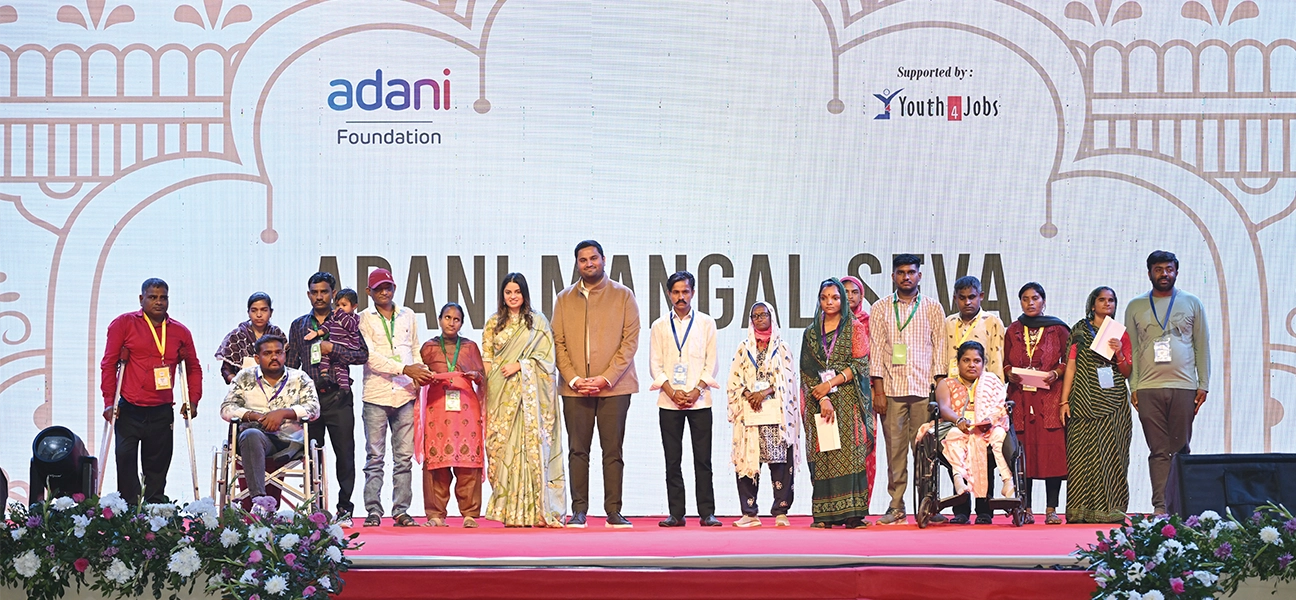
The Mangal Seva initiative by Adani Foundation is a targeted social welfare programme designed to promote dignity, financial independence, and long-term security for newly married women with disabilities. Under this model, each selected beneficiary is supported through the creation of a fixed deposit of ₹ 10 lakh for a period of 10 years. While the principal amount remains with them and is released at maturity, while a steady monthly interest payout (approximately ₹ 5,416) provides regular income, enabling beneficiaries to meet household needs, investment towards livelihoods, access to healthcare, or pursuance of higher education
The programme adopts a structured, transparent selection and verification process involving field outreach, document validation, and home visits, ensuring that support reaches deserving candidates. Beyond financial assistance, Mangal Seva aims to strengthen social security and inclusion by enhancing the economic agency of women with disabilities and reducing their vulnerability post marriage. By combining financial planning with social empowerment, the initiative creates a sustainable pathway for improving quality of life and fostering long-term resilience among beneficiaries
So far, the project has enrolled 500 beneficiaries and envisages to reach to 2,000 candidates over next four years. It is a collaborative programme with multiple group companies participating in it ATGL supported 20 women of Vadodara district of Gujarat.
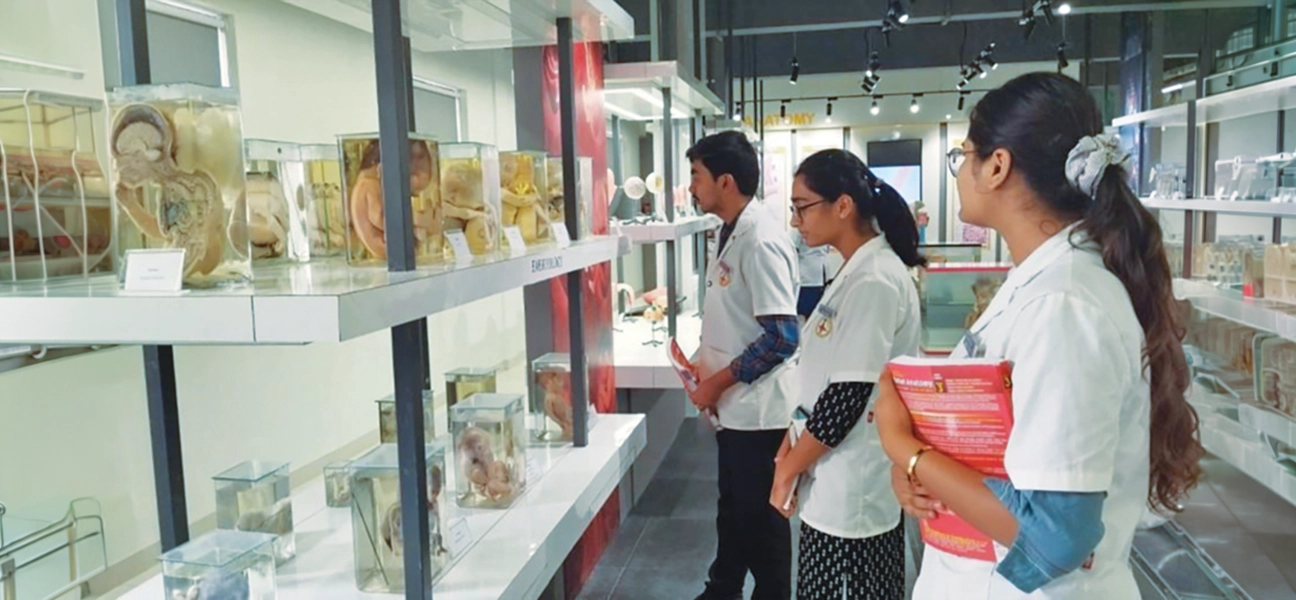
Nation Building through Healthcare Excellence
Datta Meghe Institute of Higher Education & Research (DMIHER), Sawangi (M), Wardha, is an eminent deemed university recognised for its integrated approach to sustainable healthcare and health professions education. With a strong foundation in community-oriented and evidence-based learning, the institute has developed a comprehensive academic ecosystem comprising 15 constituent units across disciplines such as medicine, dentistry, nursing, physiotherapy, pharmacy, and allied health sciences. It offers over 260 academic programs with a student strength exceeding 12,000, supported by competency-based, outcome-driven education and technology-enabled learning systems that prepare future-ready healthcare professionals.
The institution has recently strengthened its role as a leading healthcare provider through its expansive AROGYA-SETU healthcare network, which includes 10 hospitals, 2,700 beds, more than 200 ICU beds, and 25 operation theatres. Backed by over 350 consultants and multiple specialty and super-specialty units, the institution delivers a wide continuum of care – ranging from primary and preventive services to advanced tertiary care, including transplants, cancer treatment, robotics, and traditional systems like Ayurveda and Homeopathy. Its services are particularly focused on underserved populations in Central India, including rural and tribal communities, thereby aligning clinical excellence with social responsibility.
A significant recent emphasis at DMIHER has been on community outreach and inclusive healthcare delivery, reflected in its adoption of 86 villages and outreach to over 26,000 households through satellite centers, health schemes, and extensive screening programs. Nearly 1.97 million patients have been screened, with large-scale referral and treatment linkages established. The institute’s holistic model integrates education, service, and research with initiatives such as comprehensive healthcare programmes, digital learning platforms, and interprofessional training. Through its mission of fostering resilient, technology-driven and socially responsive healthcare systems, DMIHER continues to evolve as a nationally significant institution working towards equitable and sustainable health development.
As part of a collaborative project involving multiple companies of Adani group, the Adani Foundation has partnered with DMIHER to establish a global Centre of Excellence in healthcare education and delivery. This collaboration, announced in June 2025, aims at upgrading DMIHER’s 15 institutes and 5 hospitals to enhance medical education and clinical research.
Climate Action
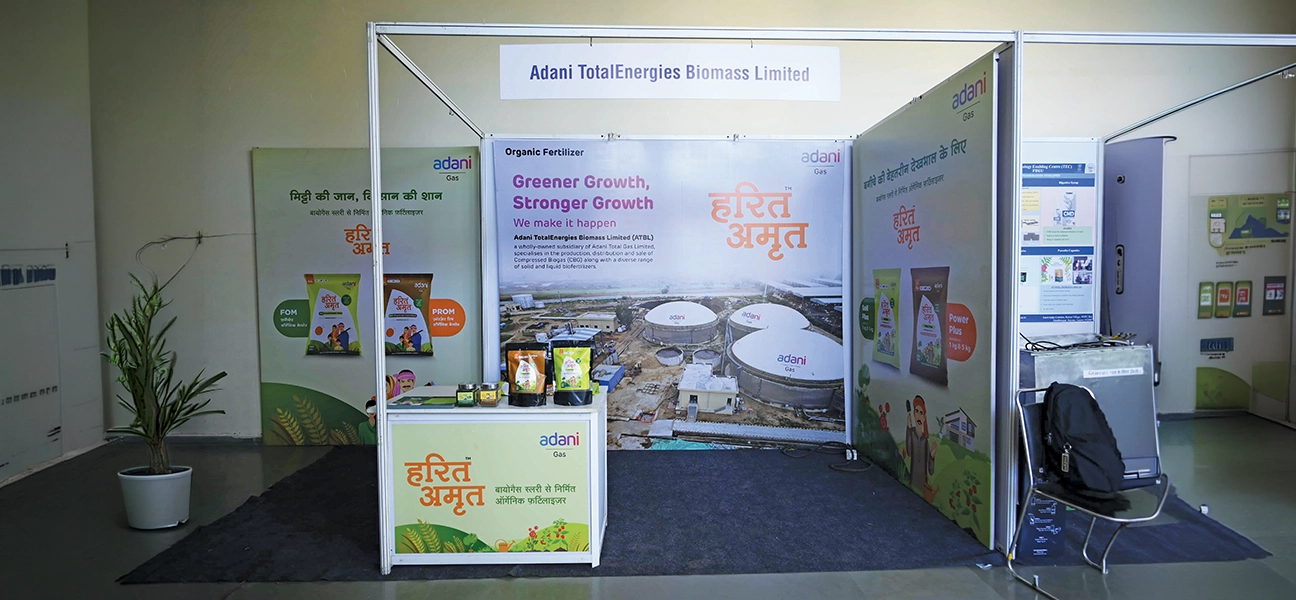
Amid growing climate uncertainty and resource scarcity, the Adani Foundation is advancing a community-led, forward-thinking approach to climate resilience. By integrating water stewardship, biodiversity preservation, and renewable energy adoption, the Foundation addresses the most pressing ecological challenges while laying the foundations for sustainable communities. Our efforts extend beyond environmental protection to deliver future-ready solutions for enduring social and economic well-being for the coming generations.
Our Climate Initiatives Focus on:
- Green Transformation: Developing and revitalising wastelands through structured plantation drives and increasing the use of renewable energy to enable a cleaner and greener society
- Water Stewardship: Promoting large-scale conservation of water to ensure its availability for domestic and agricultural purposes throughout the year
Tree Plantation Drive
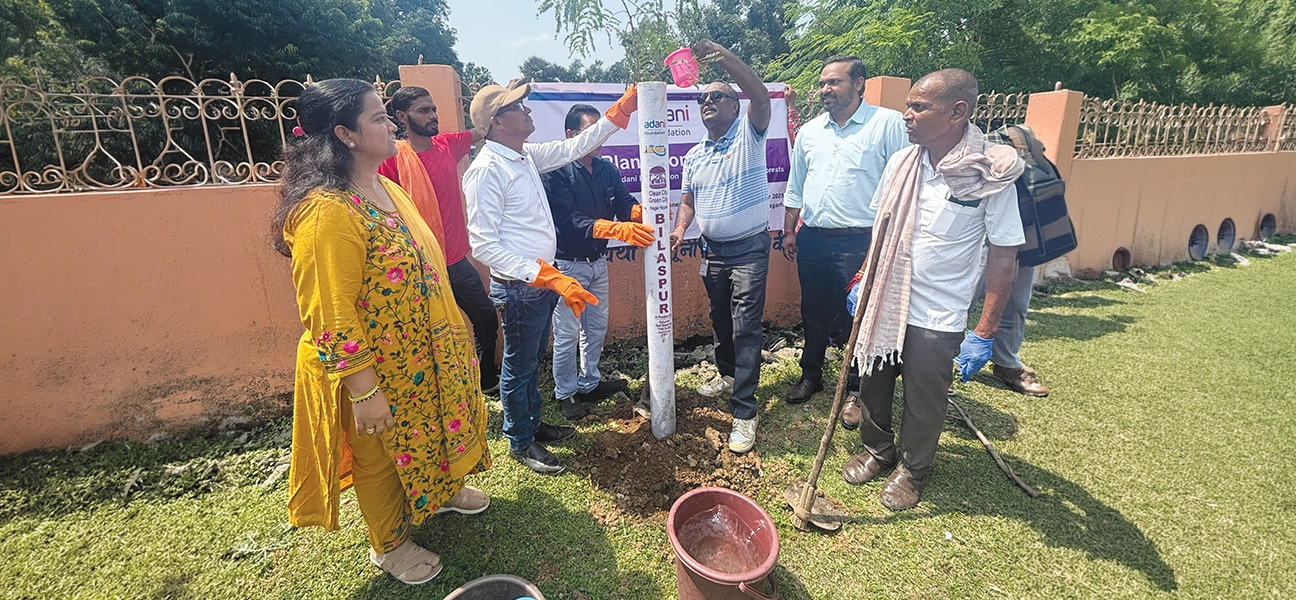
As part of its commitment to environmental sustainability, the Adani Foundation organised a large-scale tree plantation drive in Bilaspur, Chhattisgarh. The initiative aimed at enhancing urban green cover and driving community participation in ecological conservation.
The plantation drive witnessed active participation from dignitaries, officials, and employees, reflecting a shared commitment to sustainability and community well-being. This programme reaffirms the Adani Foundation’s focus on ecological balance, sustainable resource management, and building a greener future for communities.
Key Highlights FY 2025-26