Safety as a Foundation for Sustainable Growth

The health and safety of our people, communities and business partners is a priority to us. Proactive management of health and safety risks is central to our overall sustainability strategy to ensure operational integrity and long-term value creation.


Our safety approach is guided by a Zero Harm vision and is embedded in our day-to-day operations and behaviour through robust policies, structured risk management, continuous capability building initiatives and active workforce participation.
 Our safety approach is guided by a Zero Harm vision and is embedded in our day-to-day operations and behaviour through robust policies, structured risk management, continuous capability building initiatives and active workforce participation.
Key Highlights,* FY 2025-26
*For both employees and Contractual workers combined
Strategic Focus Areas
Zero Harm Safety Vision
Occupational health and safety are foundational to our operations and long-term sustainability. We remain committed to building a Zero Harm culture, where safety is not just a compliance obligation but a shared value and a behavioural norm. Zero Harm reflects our belief that every individual, including employees, contractors and partners, has the right to a safe workplace and the responsibility to contribute to it.
Our zero harm vision is reinforced through leadership commitment, participatory processes and continuous improvement. Safety expectations are consistently communicated, driven through training and engagement, and embedded into operational processes.
Policy Commitment
Our health and safety approach is guided by a comprehensive Quality, Health, Safety and Environment (QHSE) policy, approved by the Chief Executive Officer. The policy puts forth clear expectations for safe and healthy working practices across all sites and the supply chain.
Leadership Commitment
Field HSE Assurance and Behaviour-Based Safety (BBS)
Safety Communication, Training and Competency Development
Safety Interactions
Site Supervision Yojna (SSY)
Samarthan – A Capability Building Program for BPs & GAs (Business Partners & Geographical Areas)
Safety Risk Field Audit (SRFA)
Monthly HSE Score Card
Safety & Legal Audits
HSE Risk Management
Contractor Safety Management System
Incident Management System
Integrated Health and Safety Management System
We operate under a certified Integrated Management System (IMS) that unifies quality, environmental, health and safety requirements into a common framework. This system enables consistent identification, assessment, mitigation and monitoring of risks across all operations. A dedicated QHSE management department oversees the safety performance and ensures its alignment with the health and safety management systems.
Our Key Certifications for Regulatory Alignment
Quality Management
Environmental Management
Occupational Health and Safety
Across All Assets
As of FY 2025-26, sites contributing to 74.78% of the Company’s revenue are ISO 45001 certified.
ATGL’s QHSE Policy applies uniformly to all persons engaged in its operations. As documented in the ATGL HSE Manual, the QHSE Policy is formally established, implemented, and maintained across the organisation and is communicated to all employees and contract workers. The policy is disseminated through structured training programmes and is displayed at prominent locations, including in local languages where required, to ensure universal understanding. The management ensures that the policy is understood, implemented, and sustained at all levels, thereby confirming that no segment of the workforce is excluded from its scope.
The Occupational Health and Safety Management System (OHSMS) is applicable to all employees and contractors at ATGL. It defines clear roles, responsibilities, controls, emergency preparedness requirements and performance-monitoring mechanisms. OHSMS enables proactive management of health and safety risks using the hierarchy of controls. Life Saving Safety Rules (LSSR) form part of OHSMS and establish non-negotiable requirements to prevent incident.
Compliance and Audits
We strengthen our compliance with health and safety standards through regular workforce training and mock drills. We undertake periodic audits, both internally and through independent third parties, to seek assurance on compliance with PNGRB regulations, and applicable safety standards covering workplace, asset integrity and Business Partners. These audits provide an opportunity to identify areas for improvement.
1 Petroleum & Natural Gas Regulatory Board
2 Petroleum and Explosives Safety Organisation
Governance and Accountability
Health and safety governance is integrated within our overall corporate governance framework. Oversight is embedded through a multi-tier governance framework that aligns strategic direction, operational execution and frontline accountability. Clearly-defined roles and responsibilities ensure accountability at each level.
The safety committees and task forces operate under dedicated HSE charters and KPIs, and conduct bi-monthly reviews of the safety management system to ensure continuous improvement.
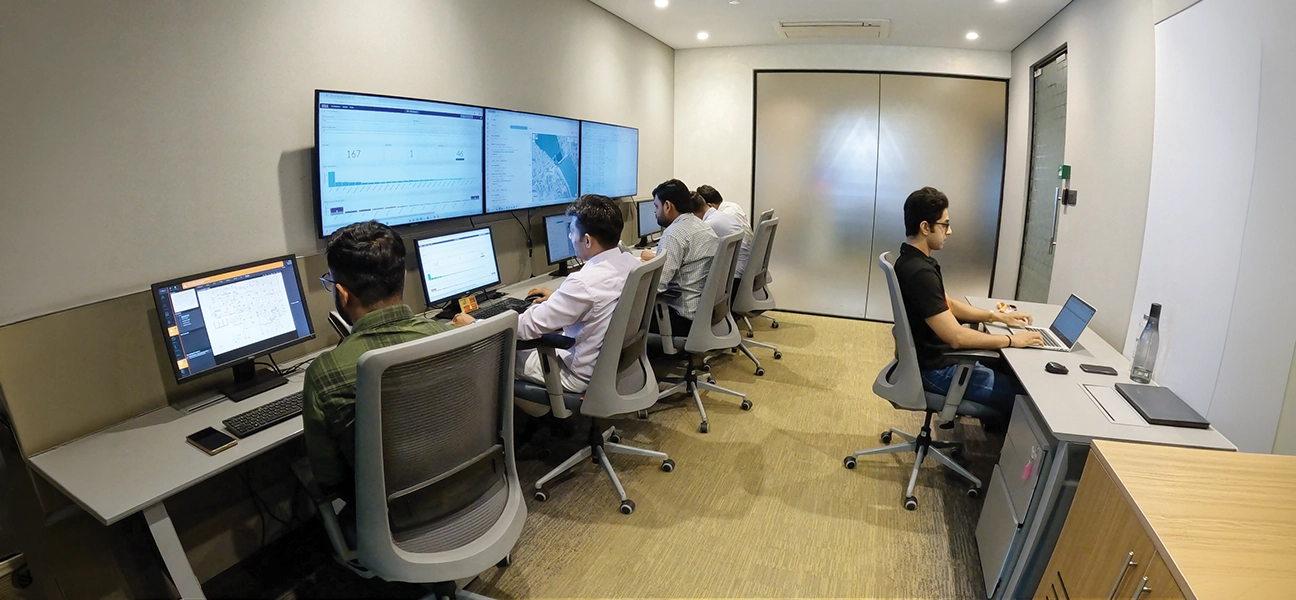
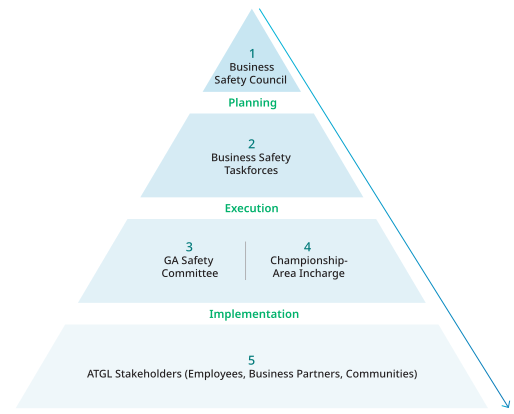
Safety is not just a priority; it is a performance mandate at ATGL. HSE outcomes are formally embedded into Key Responsibility Areas (KRAs), annual performance evaluation and remuneration structure of employees and executive levels, reinforcing a strong safety culture and accountability at every level.
Performance Weightage
~15%
of total KRA weightage for relevant roles is linked to HSE performance
(May vary slightly by role, grade and function, however, HSE accountability remains mandatory across operational and managerial positions)
Performance-Linked Safety Indicators
- Hazard / Near-Miss Reporting (such as 12 Number reports per year, depending on role)
- Safety Interactions (SI) Completion (such as 24 Number SIs per year or as specified per function)
- SSY (Site Supervision Yojana) Completion (such as 24 SSY rounds per year)
Equal Voices at the Table
Our QHSE policy encourages meaningful consultation with workers and their representatives, ensuring their participation in decision-making whenever required. The Management actively promotes an inclusive culture that supports the effective functioning and continual improvement of the QHSE management system through the involvement and participation of all workers.
- All employees and workers are encouraged to share improvement ideas through suggestion schemes, HSE talks and HSE meetings
- Employees and workers are actively consulted in the identification and assessment of OHS hazards and environmental aspects, and contribute in the development of HSE policies, programmes, operational controls, change management processes, and HSE audits
- Both employees and workers participate in safety committees, where they can raise and contribute to improving HSE practices
ATGL has established formal joint management HSE Committees across all GAs, ensuring active participation of employees and contractor representatives in safety governance. These committees meet monthly to review compliance status, incidents, near misses, emergency preparedness, and contractor safety performance, while also providing a structured platform for workers to contribute to hazard identification, risk assessment, and the formulation or revision of HSE policies and operational controls. Chaired by the GA Head with defined decision-making authority, the committees assign responsibilities, track action closures, and enable transparent and inclusive implementation of ATGL’s HSE management systems.
Transparency in HSE Disclosures
- External communication with interested parties is managed by the concerned HODs/Asset Heads, as relevant and required
- Legal compliances and periodic reports are shared with statutory authorities, as required
- Key QHSE performance updates are disclosed on the Company’s website
Process safety is a critical focus area, given the inherent risks associated with gas distribution and related infrastructure. Our safety practices go beyond routine activities to anticipate and mitigate risks. Critical equipment and systems are continuously monitored, and deviations from normal operating conditions are promptly investigated. Regular safety audits are an integral part of our process safety framework, with insights from audits and near-miss incidents used to strengthen procedures and controls.
Managing Process and Operational Safety
Multiple Layers to Strengthen Operational Safety
Oversight and Accountability in High-Risk Activities
Formal risk assessments are mandatory for high-risk activities, such as gas leaks, fires, or comparable hazards. They are performed either in the presence of the designated Area Emergency Officer (AEO), a supervisor, or a safety engineer, or conducted only after receiving the formal clearance.
Structured Approach to Identify and Manage Safety Hazards
We recognise health and safety as a material sustainability risk. Effective management of occupational health and safety risks reduces the likelihood of serious incidents, regulatory non-compliance and reputational impacts, while strengthening workforce engagement and productivity.
The health and safety risks are systematically identified and managed using a range of structured tools reflecting our risk-prevention approach. These tools are integrated with Hazard Identification and Risk Assessment (HIRA) and Job Safety Analysis (JSA) processes to ensure risks are consistently identified, evaluated and controlled at every level. Routine inspections, surveillance, and reporting ensure hazards are tracked, risks are mitigated, and learnings are applied across the operations continuously.
Tools and Techniques to Identify and Manage Risks
Workforce Engagement
Vulnerability Safety Risks (VSR) Assessments
- Assess potential safety risks and vulnerabilities in the systems and operations at early stages, to enable proactive implementation of preventive measures
On-site Evaluations
Safety Risk Field Audit (SRFA)
- Involve comprehensive inspections and reviews of safety practices, equipment, and procedures to ensure regulatory compliance
Safety Interactions
- Active engagement between site teams and leaders to observe operations, identify hazards, and promote safe practices through continuous communication
Site Supervision Yojana (SSY)
- A structured, technology-enabled field safety oversight programme designed to strengthen on-ground supervision, enhance leadership visibility at worksites, and ensure consistent compliance with safety protocols across all GAs
Process-Level Analysis
Process Hazard Analysis (PHA)
- Detailed evaluation of processes to identify potential hazards and deviations from design intent
Hazard and Operability Study (HAZOP)
- Cross-functional review of process diagrams to detect operability issues and prevent unsafe outcomes
Pre-operational Safety
Pre-Startup Safety Reviews (PSSR)
- Thorough safety checks before initiating new or modified facilities to verify the preparedness of the equipment, procedures, and personnel
Quantitative Risk Assessments (QRA)
- Data-driven assessment of hazard likelihood and impacts for informed decision-making on risk mitigation
Incident Management
We maintain a transparent and structured framework for reporting and managing incidents, unsafe acts and near misses.
Incident Reporting
The Adani Group’s SAFEX (Benchmarkdigital) digital platform empowers employees and contractors to report any health, safety, environment and property damage related incidents and hazards. The SAFEX platform enables reporting, investigation, action tracking, and closure of incidents in a structured manner.
Incident Investigation
All reported incidents are investigated duly, with root cause analysis (RCA) undertaken for significant incidents. Critical Vulnerable Factor (CVF) is deployed to track corrective and preventive actions, ensuring accountability and timely closure. The progress on CVF implementation is reviewed at the Adani Apex Group Safety Steering Council and Business Safety Council meetings.
Integration of Learnings
Emphasising continuous improvement and the prevention of recurrence, we share learnings from incidents with the organisation through safety alerts, training modules, videos, the “Learning from Incidents” booklet, and knowledge-sharing forums.
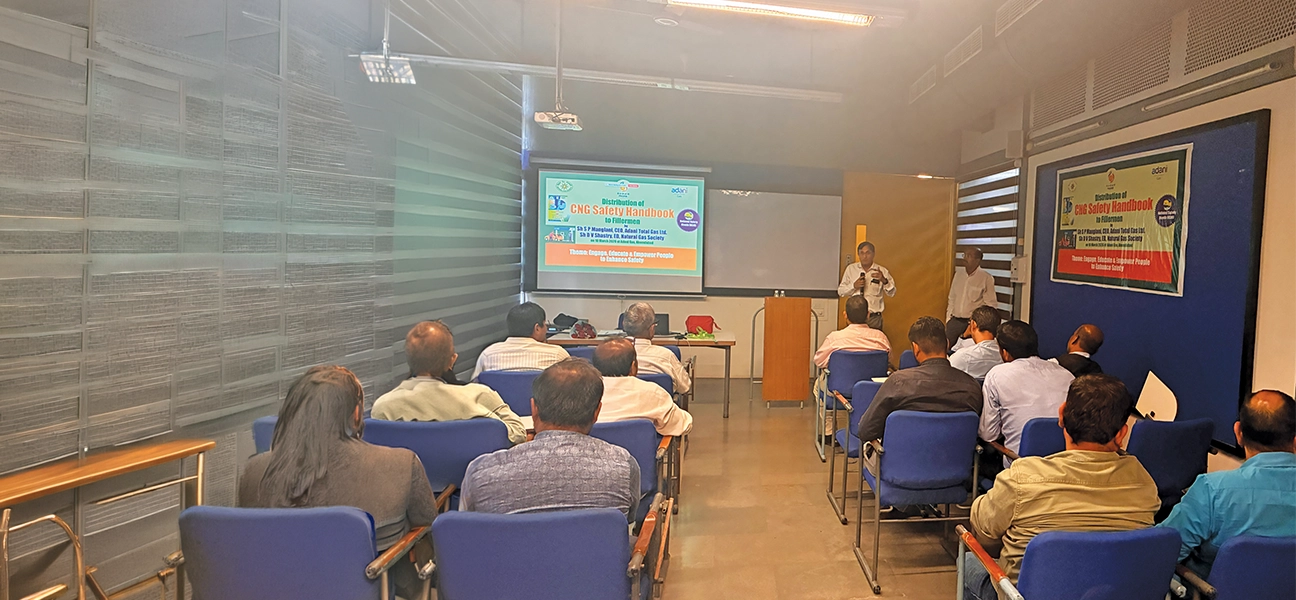
We actively encourage workers to raise safety concerns and report hazards without fear. SAFEX digital platform allows reporting safety incidents and hazards anonymously. Additionally, a safety committee is in place to protect workers from reprisals when reporting incidents, hazards, risks, and improvement opportunities.
Emergency Preparedness and Response
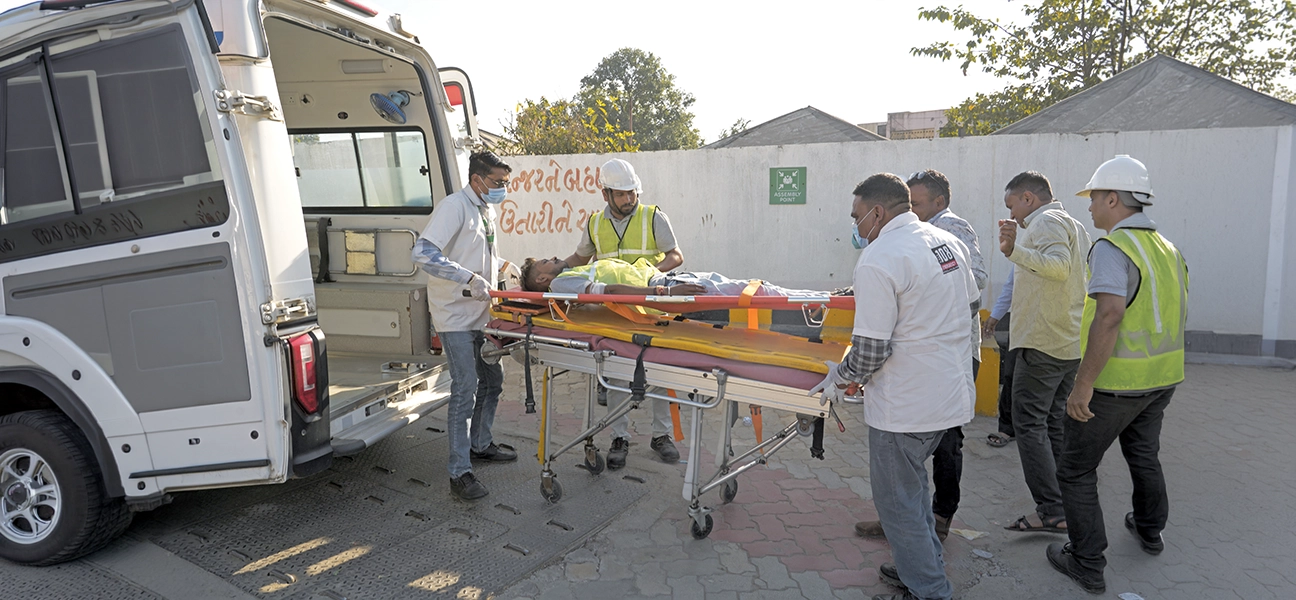
Emergency preparedness is a critical component of our safety risk framework. We have implemented an Emergency Response and Disaster Management Plan (ERDMP) across all geographical areas, in line with the PNGRB requirements. The plan provides a structured approach to risk prevention, emergency response and recovery, safeguarding people, assets and communities. The plan is comprehensively reviewed and updated at a frequency as defined by the PNGRB regulations.
Comprehensive Planning
ATGL’s ERDMP Framework outlines a structured, tiered emergency classification system (Level 1, Level 2 and Level 3) to ensure proportionate response, escalating from site-level containment to multiagency coordination involving fire services, police, district administration, SDRF and NDRF as required.
ATGL maintains a clearly-defined emergency organisation structure including Chief Incident Controller, Site Incident Controller, Area Emergency Officers, and Specialised Coordinators supported by detailed communication flows and an established Emergency Control Centre. The framework further incorporates pre-emergency planning through periodic mock drills, mutual aid partnerships, medical-readiness, and integration with district-level disaster management authorities. Additionally, ATGL’s ERDMP mandates preventive planning, real-time information flow to control rooms, emergency mitigation and recovery procedures, evacuation planning, and comprehensive documentation of post incident learning. Together, these measures enable ATGL to ensure rapid, coordinated, and effective emergency preparedness and response across its operational footprint.
Technology-Enabled Preparedness
- Emergency Response Management System (ERMS): ATGL has strengthened its organisational resilience through the deployment of a digital ERMS on the SOUL platform, enabling real-time reporting, tracking, and closure of emergency incidents across all Geographical Areas. The ERMS section on SOUL platform allows to register gas leaks, fires, and other emergency events, while providing GPS-based patrolling, automated escalation workflows, and end-to-end monitoring by Area Emergency Officers, significantly reducing response time and enhancing regulatory compliance
- Call Before You Dig (CBuD): Call Before You Dig (CBuD) mobile application serves as a preventive safety tool, offering communities, contractors, and utility partners a direct channel to notify ATGL prior to excavation activities. This helps prevent third-party damages, pipeline strikes, and associated safety risks, thereby reinforcing ATGL’s commitment to proactive risk mitigation and public safety
Testing-Readiness through Mock Drills
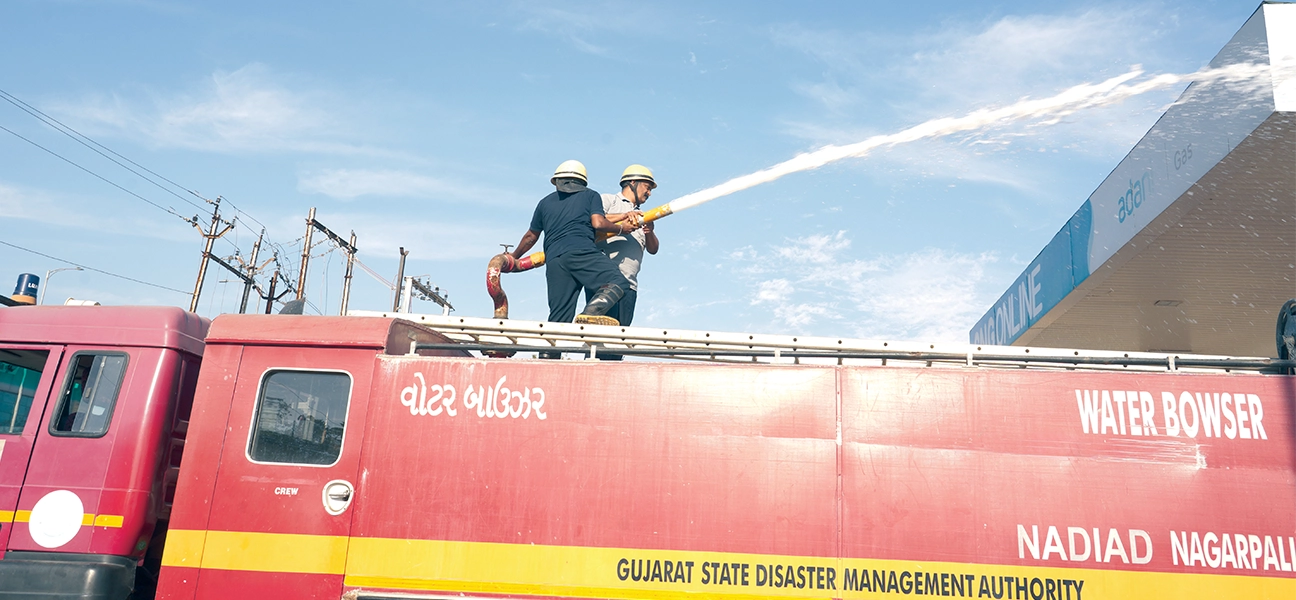
Regular mock drills test the effectiveness of our emergency preparedness systems, enhancing response capability and inter-agency coordination. 150 mock drills were conducted during the year.
Level 1 – Mock Drills
Frequency: Quarterly
Incidents that can be fully contained on-site with available resources
Level 2 – Mock Drills
Frequency: By Annually
Incidents with potential off-site impact, with support required from external agencies
Level 3 – Mock Drills
Frequency: Annually
Incidents with potential catastrophic off-site impact, managed under district authority
Ensuring Wellbeing of Employees and Workers
ATGL further enhances accessibility to healthcare through telemedicine consultations and online medical support, enabling timely medical attention irrespective of geographical constraints. Onsite wellbeing is strengthened through empanelled hospitals and medical support services, complemented by awareness and wellness programmes such as yoga sessions and health education drives. Together, these initiatives ensure that employees and Business Partners operating in remote areas receive continuous, reliable, and equitable health and wellbeing support aligned with ATGL’s commitment to safe and responsible operations.
Ensuring Workers’ Wellbeing at Remote Sites
ATGL extends its health, safety and wellbeing framework to the last mile, ensuring comprehensive protection for workers across remote and dispersed operational sites through structured wellbeing measures, intended to enhance their quality of life.
+Read more in our Employees section
Non-Occupational Healthcare for Workers
We extend the health and well-being support beyond the workplace by offering non-occupational benefits, including:
- Life insurance and compensatory packages to permanent employees and workers in the event of death
- Periodic health checkups
- Access to healthcare services through online platform, such as telemedicine consultation and yoga

Extending the Safety Boundary: Business Partners and Supply Chain Safety
Health and safety risks extend beyond our direct operations into the supply chain. To mitigate this, we integrate contractor and supply chain safety into the core Occupational Health and Safety (OHS) framework.
Lifecycle-Based Supply Chain Safety Framework
Health and safety due diligence during partner selection and onboarding
Partner categorisation based on their safety performance
Independent assessment of supply chain safety practices through third-party agencies
Improvement roadmaps for partners informed by audit outcomes
Business Partners recognition through performance-linked incentives for achieving desired safety outcomes
Strengthening Safety and Sustainability through SAMARTHAN 5.0
ATGL has strengthened the SAMARTHAN 5.0 framework, reinforcing its commitment to continuous improvement, EHS excellence, asset integrity and sustainable contractor practices. With the enhanced CAP categorisation system, we have introduced a new Gold Cap category as the highest level of EHS recognition for both Business Partners and Geographical Areas, followed by Purple, Green, Orange, and Red categories.
Promoting High-Performing and Responsible Partners
Business Partners achieving Gold, Purple, and Green Cap status are recognised as preferred partners, reflecting consistent adherence to safety standards and responsible operational practices. To encourage sustained high performance, ATGL follows a structured and transparent work allocation mechanism. In cases where such partners do not qualify as L1 contractors:
- Preference is extended through the first right of refusal for new contracts
- Opportunity is provided to match auction outcomes during bidding
- 70% of the work scope is awarded to L1 contractors, while 30% is reserved for Purple and Green Cap partners under the SAMARTHAN assessment framework
This approach enables balanced business distribution while actively incentivising partners who demonstrate strong safety culture and sustainability commitment.
Driving Accountability and Risk Mitigation
The Red Cap classification highlights critical safety and compliance gaps. Business Partners receiving two consecutive Red Cap ratings are removed from the system, reflecting ATGL’s zero-tolerance stance to repeated non-performance. This approach strengthens governance, mitigates operational risks, and reaffirms our commitment to protecting people, assets, and the environment.
Strengthening the Safety Culture
From Compliance to Collective Ownership
Safety Culture Framework
Sustaining safety performance requires continuous investment in people and culture. At ATGL, our safety culture is shaped by how people think, act and decide in their everyday operations. We move beyond procedural compliance by empowering our workforce, encouraging dialogue and reinforcing safe behaviours through leadership presence and technology integration.
Capability as a Cultural Anchor
At ATGL, we have institutionalised a structured training and competency development framework, based on training needs identification (TNI) and operational risk profiling, to ensure employees and business partners are equipped to handle role-specific risks.
- A mandatory learning programme for all individuals covering safety induction, refresher sessions, and annual safety programmes
- Risk-based and role-specific training for different skill groups
- Role-based Safety Technical and Operational Competency (STOC) training, covering critical HSE procedures, is mandatory for all business partner’s employees who are engaged in Projects, Operation and Maintenance (O&M) activities across PNG, CNG, Steel, AEO, etc.
- Periodic review of training effectiveness to support continuous improvement
Clear Accountabilities for Safe Performance
Defined roles across the organisation ensure safety responsibilities are well-understood and consistently applied.
- Process owners and Management/HR functions identify competencies for personnel whose activities influence QHSE performance and compliance
- The GA Head ensures personnel can safely perform tasks and identify hazards through appropriate education, training and experience
- The HSE function delivers focused safety and environmental training to employees and the contractor workforce
Engagement That Influences Everyday Behaviour
At ATGL, we meaningfully engage with the workforce to transform safety into a personal value.
- Induction programmes, trainings and regular interactions aligned with ATGL’s vision, mission and safety expectations
- Workforce needs and feedback are considered to strengthen QHSE management
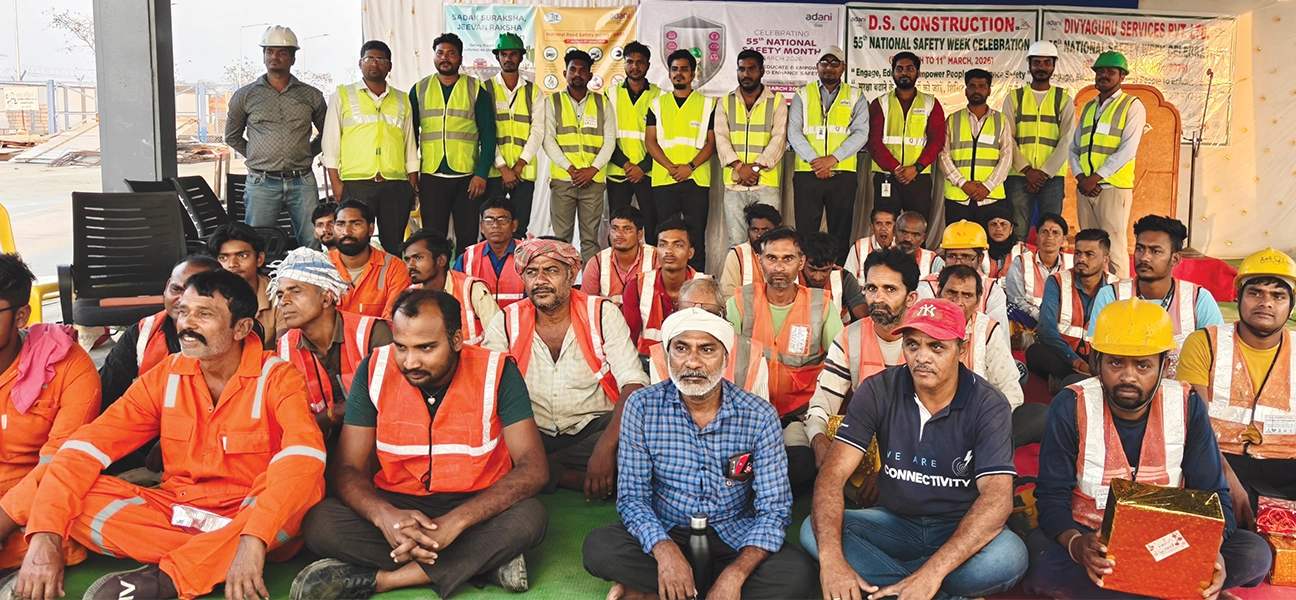
- Celebration of National Safety Week and Road Safety Month, Environment Day, Fire Service week
- Positive behaviours are reinforced through appreciation, rewards and recognition
Digital Enablement for Safer Operations
We leverage advanced digital tools and platforms to ensure safety in our daily operations, improve oversight and enable proactive risk management.
- Permit-to-Work (ePTW) mobile app: Digitised mechanism to monitor compliance with permit-to-work procedures and enhance focus on high-risk jobs
- Driver Management System (DMS): AI-based video cameras in cascade vehicles carrying hazardous goods, to improve driver behaviour towards safety
- Logistic Control Centre (LCC): Enables centralised oversight of fleet movement and emergency response for safer logistics
- Site Supervision Yojana (SSY) Mobile App: Encourages more boots on ground and monitors employees’ site visits for enhancing HSE practices
- Supervisory Control and Data Acquisition (SCADA): Real-time surveillance and monitoring of networks and operations to detect anomalies early
Visible Leadership on Ground
Our leaders build trust, accountability and shared responsibility for safety by engaging with teams at the site, influencing safe behaviours.
- Boots on Ground: Regular site visits, safety tours and field audits by managers, engineers and EICs
- Site Supervision Yojana: Regular site visits by employees and senior leadership to ensure safety, quality, and productivity
- Suraksha Samwaad: Direct safety conversations between leaders and site teams
- Safety Walks: Involves leaders in demonstrating desired safety behaviours
Business Partners and Third-Party Safety
Our safety protocols and practices extend beyond our workforce, ensuring the safety of our contractors and third parties. Our key initiatives for them include:
- Samarthan Programme: A capability Building programme to enhance contractor competency through structured performance evaluation and safety training
- Self-assessment Checklist: Empowers contract workers to evaluate themselves on safety parameters
Ensuring Asset Integrity
- Dial Before You Dig (CBuD): A safety helpline not just for employees, but also for Business Partners, communities and all others to contact ATGL before digging, to prevent excavation-related risks, such as gas leaks, fires, and damage to pipelines
- Indradhanush: Enables benchmarking of GA-wide asset performance against industry KPIs and informs improvement plans for asset health
Model GA Programme – Faridabad
Launched a Model GA Pilot at Faridabad, Palwal, Tirupur GA establishing demonstrable benchmarks in emergency preparedness, PTW compliance, training performance, safety adherence, hazard reporting, and SSY excellence.
Digital Safety Transformation & Governance Enhancements
- Achieved full scale digital integration of ePermit-to-Work (ePTW) workflows across operating GAs, incorporating authorisation flows, EV/Biogas business integration, common contractor credentials, and enhanced safety compliance
- Embedded Gensuite - SSY integration, enabling real-time hazard reporting, near-miss capture, audit closure tracking, and site-level leadership supervision insights
- Introduced structured LSSR (Life Saving & Safety Rules) Campaigns, reinforcing behavioural compliance and frontline awareness through toolbox interactions and digital learning elements
Enhanced Emergency Preparedness & Multi-Agency Readiness
- Conducted 51 Level-2 and 16 Level-3 Emergency Mock Drills, including multi-agency drills involving district authorities, fire services, and police as per the Emergency Organogram
- Strengthened mutual aid collaboration frameworks, ensuring cross-GA support at various GAs, equipment mobilisation, and coordinated response-readiness
Competency Building & Advanced Technical Training
- Delivered Defensive Driving Training (DDT) at all GAs to strengthen safe-fleet operations and reduce transport-related risks
- Conducted Work-at-Height (WAH) training with emphasis on harness systems, fall-arrest procedures, and equipment inspection
- Delivered Cable Locator Training and STOC Training, strengthening underground utility management, excavation safety, and frontline behavioural safety coaching
- Expanded First Aid & Emergency Medical Response programmes including CPR, AED usage, triage, and trauma care
Safety Training Footprint in FY 2025-26
Progress Against Key Metrics and KPIs
| Particulars | FY 2024-25 | FY 2025-26 | ||
|---|---|---|---|---|
| E | W | E | W | |
| Fatalities | 0 | 0 | 0 | 0 |
| LTI (Lost Time Injury) | 0 | 6 | 0 | 4 |
| LTIFR (Lost Time Injury Frequency Rate) | 0 | 0.50 | 0 | 0.36 |
| High-consequence work-related injury | 0 | 0 | 0 | 0 |
| Total recordable work-related injuries | 0 | 7 | 1 | 5 |
| TRCFR (Total Recordable Case Frequency Rate) | 0 | 0.58 | 0.86 | 0.54 |
| Near Miss + High Potential Near Miss (Numbers) | Total: 406 | Total: 1,610 | ||
Notes:
- ‘E’ denotes Employees and ‘W’ denotes Workers in the above table
- LTIFR calculation: (Total LTI*1,000,000)/Total Manhours at ATGL
- TRCFR calculation: (Total Recordable cases*1,000,000)/Total Manhours at ATGL
- Work-related ill-health hazards that occurred on the ATGL sites during FY 2025-26: Zero