Ethical, Secure and Future-ready Supply Chains

At ATGL, responsible sourcing is integral to ensuring energy security, operational excellence and sustainable value creation. Our supply chain approach embeds ESG considerations into procurement decisions, supplier relationships and performance management.



Key Highlights for FY 2025-26
Through strong governance, risk-based processes and collaborative engagement, we work with our suppliers to build a responsible supply chain.
 Through strong governance, risk-based processes and collaborative engagement, we work with our suppliers to build a responsible supply chain.
Our Responsible Sourcing Framework
Our supply chain framework is steered by clear policies, robust governance and systematic processes that guide supplier engagement and performance management. We have established a structured, risk-based and ESG-integrated supply chain framework that governs supplier engagement from onboarding through performance monitoring. This framework ensures the procurement of the right materials and services of the right quality, at the right time, and at an optimal cost, while embedding ESG considerations across the supply chain.
Strategic Focus Areas of Sustainable Supply Chain Framework
Defined Procurement Policies and Supplier Code of Conduct
Structure supplier classification and segmentation
ESG-integrated eligibility screening and onboarding
Continuous assessment, due diligence and monitoring
Capacity building and collaborative engagement
Governance and Oversight for the Supplier ESG Programme
The Board of Directors provides oversight of the supplier ESG programme, ensuring alignment with ATGL’s sustainability strategy. The supply chain and HSE-Sustainability team jointly manage supplier training, HSE assessments and compliance monitoring, ensuring consistency with ATGL’s commitments. Our Supplier ESG programme is driven by well-defined targets, KPIs and continuous monitoring and tracking of progress.
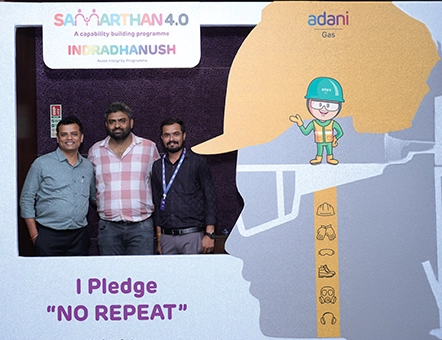
Our Supplier ESG Programme integrates measurable ESG objectives and performance indicators into procurement decisions, ensuring sustainability considerations are embedded across supplier relationships.
Supplier Code of Conduct
Our Supplier Code of Conduct establishes clear expectations for responsible, ethical and lawful behaviour across the supply chain. It is aligned with Core Conventions of the International Labour Organisation (ILO), the Principles of UN Global Compact, the Universal Declaration of Human Rights, and relevant industry and regulatory standards. During the year, we have enhanced the ESG aspects covered in our Supplier Code of Conduct to further strengthen supply chain sustainability.
Read further Supplier Code of Conduct
Applicability of the Supplier Code of Conduct
The code applies globally to all our suppliers and third parties, including material and service providers, contractors, sub-contractors, vendors, traders, consultants, agents, and their employees and representatives. All suppliers must mandatorily comply with the Code.
Key Elements of Supplier Code of Conduct


Our Diversified Supplier Base
Reliable energy delivery and operational continuity depend significantly on the robustness of our supply chain. Suppliers are therefore key stakeholders in our sustainability journey and in strengthening ESG maturity across the value chain. At ATGL, we follow a systematic supplier classification framework to identify significant suppliers, those that have the greatest influence on our operations based on factors such as the scale of business engagement, criticality to core operations, supply risk, and potential impact on safety, environment, and service continuity. This structured approach enables focused engagement, effective risk management, and responsible value creation across our supplier ecosystem.
Supplier Classification
Critical Suppliers
- Essential to business continuity
- Linked to safety compliance and operational risk
- Require enhanced monitoring and frequent assessments
Tier 1 Suppliers
- Direct, strategic suppliers
- High business dependency and spend concentration
- Integral to operational performance
Non-Tier 1 Suppliers
- Support non-critical needs
- Provide flexibility
Spend and Coverage Indicators
| Indicators | FY 2025-26 |
|---|---|
| Total number of suppliers in Tier-1 | 848 |
| Total number of significant suppliers in Tier-1 | 70 |
| % of total spend with significant suppliers in Tier-1 | 89.66% |
| Total number of significant suppliers in non-Tier-1 | 00 |
| Total number of suppliers in capacity-building programmes | 64 |
| % of unique significant suppliers in capacity-building programmes | 100% |
Supplier Eligibility Screening and Onboarding
At ATGL, new suppliers are onboarded through a structured and technology-based process using the Contractor Safety Management Portal and SAP Ariba platform. Prospective suppliers submit their detailed business and technical information and are carefully assessed on various ESG and techno-commercial parameters. Suppliers that meet defined criteria are formally registered, while the critical suppliers undergo enhanced scrutiny through pre-qualification audits and safety assessments. Contractor selection has also been enhanced through structured performance scorecards and site registers, enabling sustained engagement with high-performing partners.
This approach ensures early and consistent alignment with ATGL’s Supplier Code of Conduct and Sustainable Procurement Policy.
Suppliers must meet defined minimum ESG thresholds to qualify for engagement. Those failing to do so may be excluded, while partners demonstrating strong ESG performance are prioritised and preferred.
Onboarding Process Flow
Supplier screening
Supplier scoring
Pre-qualification audit
Due diligence and risk assessment
Contractor compliance monitoring
New Supplier Screening Parameters
Compliance and Governance
Environmental and Social Practices
Quality Management Systems
Safety Performance
Workforce Data
Financial Strength
Supplier Assessment and Due Diligence
Our supplier assessments are based on a risk-based approach that includes country-specific, sector-specific and commodity-specific risks, enabling focused and proportionate due diligence.
Comprehensive Due Diligence
New and existing suppliers are evaluated through audits and reviews conducted by internal teams or independent third-party consultants, covering:
- Financial stability
- Anti-bribery and anti-corruption controls
- Labour and environmental practices
- ESG compliance
- Operational reliability
Enhanced Oversight for Critical Suppliers
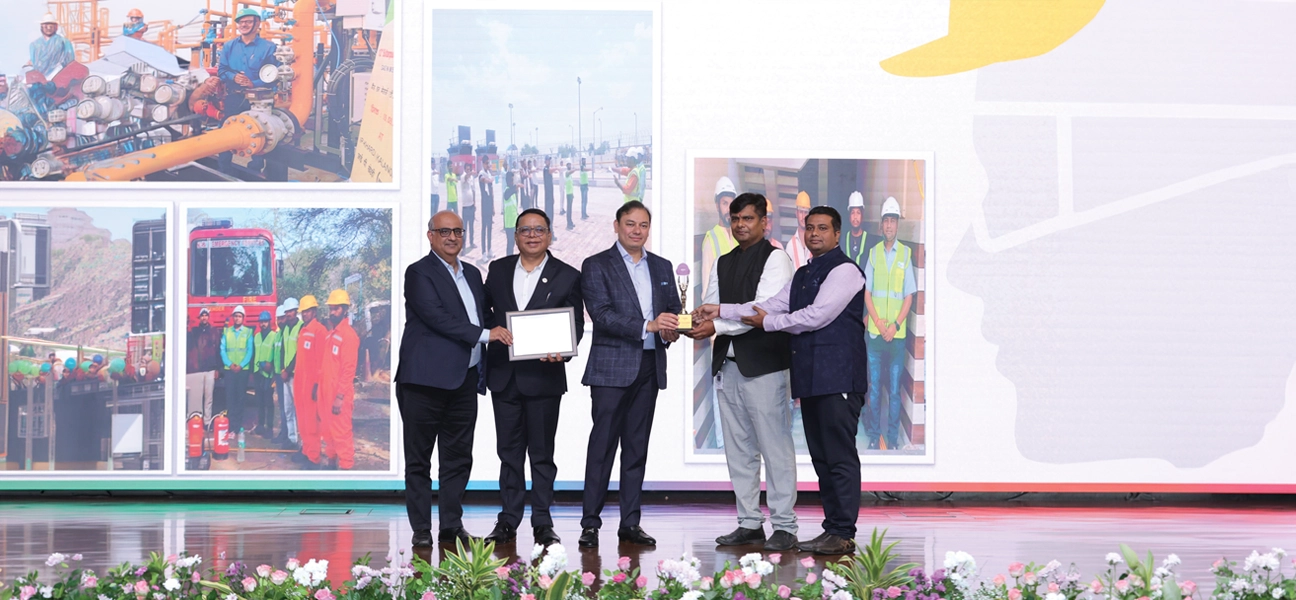
Critical suppliers and contractors undergo annual safety audits under the Samarthan Green Cap Programme, strengthening safety performance and operational continuity.
Risk Mitigation and Resilience Measures
All desk-based and on-site assessments align with recognised industry standards. Risks are further mitigated through supplier diversification, contingency planning, and supply chain insurance, ensuring resilience against geopolitical, climatic and other unforeseen disruptions.
ATGL has established a structured mechanism for monitoring supplier compliance with the Company’s Code of Conduct (CoC) and General Terms and Conditions (GTCs). As part of periodic assessments and reviews, any significant non‑adherence identified is evaluated based on its nature and severity. Depending on the outcome of this evaluation, the company may require the submission of a corrective action plan, initiate enhanced monitoring, impose contractual remedies, or take decisions relating to continuation of business engagement.
Supplier Engagement and Capability Enhancement
Supplier Capability Enhancement
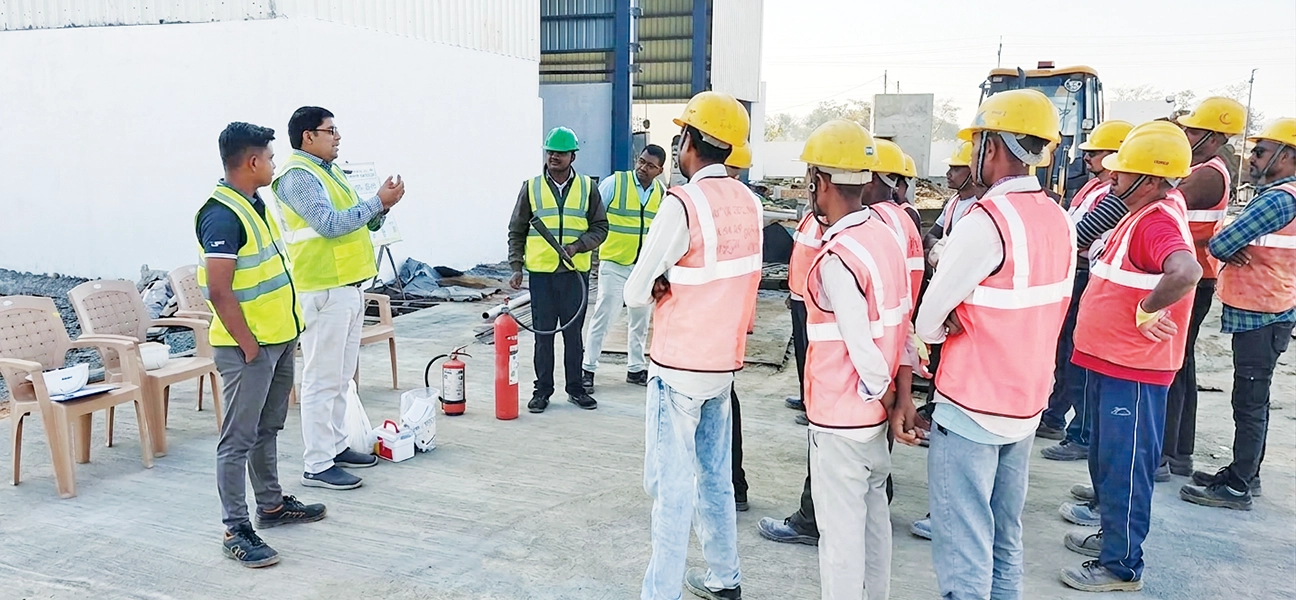
Our Supplier ESG Programme extends beyond assessments, focusing on enabling supplier capability development. ATGL strengthens supplier ESG performance through structured workshops, technical guidance and capacity building initiatives. We train buyers, contractors and internal teams on their roles under the supplier ESG programme. These sessions emphasise continuous feedback for performance improvement, rapid issue resolution, and shared accountability to maximise positive supply chain outcomes.
Suppliers are encouraged to benchmark their ESG practices against globally recognised standards, such as SA 8000, ISO 9001, ISO 14001, and ISO 45001, with periodic evaluations conducted to validate compliance with the Supplier Code of Conduct.
Key ESG Pillars of Supplier Capability Development
Environmental protection and carbon reduction
Human rights, labour standards and social welfare
Diversity, equity and inclusion
Supplier Collaboration and Engagement
Post assessment, we share corrective action plans with the suppliers and closely monitor their progress through follow-ups, mock audits, feedback and targeted training programmes. The collaborative approach promotes transparency, learning and continuous improvement.
Inclusive Growth
ATGL places strong emphasis on MSME suppliers. We ensure timely payments to them, in line with government guidelines and support their alignment with social and environmental standards.
*Local suppliers here mean domestic/Indian suppliers
Samarthan 5.0: Advancing Safety Excellence Across the Value Chain
Samarthan 5.0 is ATGL’s flagship Health, Safety and Environment (HSE) initiative aimed at strengthening safety standards across the contractor ecosystem and Geographical Areas (GAs). The programme assesses HSE maturity and builds capabilities through structured evaluations, focused training and clear accountability, promoting a shared culture of supply chain safety.
Balanced Assessment Framework
The programme integrates contractor audits (40% weightage), and GA performance (60%) weightage, including internal audits, third-party reviews and site supervision. Performance is classified under a four-cap system, reflecting varying levels of safety maturity.
- Highest safety performance
- Strong safety maturity
- Moderate gaps with improvement required
- Significant gaps
Outcomes
Contractors rated Red Caps are required to close gaps within three months and undergo re-audits. Two consecutive Red Caps may lead to a holiday listing. All results are reviewed and validated by an independent jury to ensure fairness and transparency. The current assessment cycle for ATGL contractors and GAs is currently underway.